Understanding Integrated Pest Management (IPM)
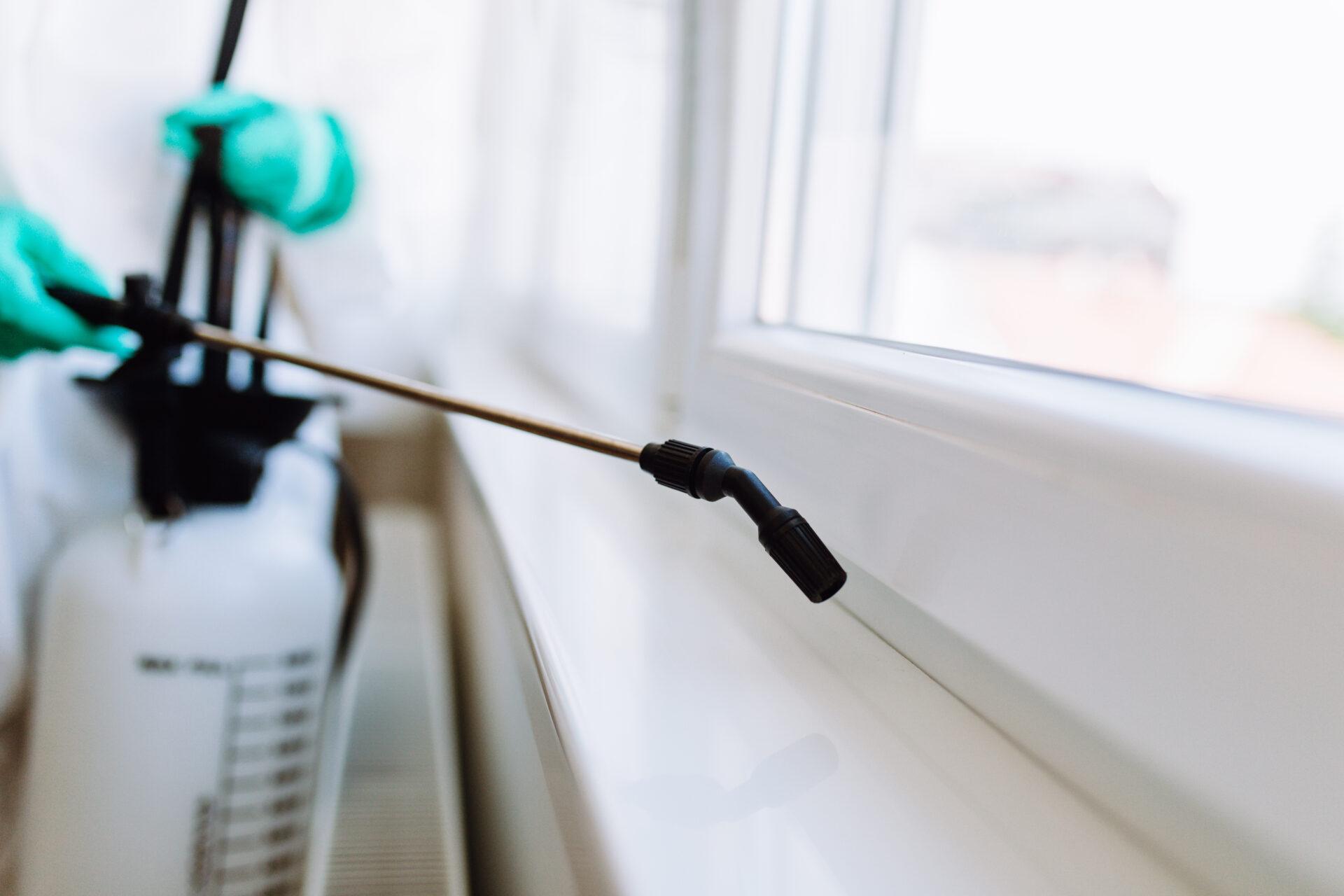
Integrated Pest Management, or IPM, represents a multi-faceted approach to handling pests in the most effective and environmentally sensitive manner. Rather than relying on a one-size-fits-all solution, IPM involves a combination of common-sense practices to address pest issues while minimizing risks to people and the environment. The process includes a thorough inspection, followed by a tailored treatment plan that can encompass a variety of techniques.
IPM Treatment and Inspection Techniques
Customized Solutions for Every Scenario
Each pest situation is unique, requiring a specialized plan that starts with a comprehensive inspection. A pest professional will analyze the specific circumstances to devise a strategy that may include the following methods:
Chemical Treatments: Applying Pesticides

In some instances, the use of pesticides is necessary. However, in the IPM approach, they are applied in the most judicious manner possible, often as a last resort and always in conjunction with other preventive measures.
Traps and Deterring Measures
Traps can vary from mechanical to glue-based and are strategically placed to capture pests without the use of chemicals. Modifying environmental factors, such as employing trash container management and sealing entry points, also plays a critical role:
- Clean and secure trash container practices
- Regular cleaning of outdoor garbage areas
- Appropriate food waste disposal
- Rigorous kitchen and appliance hygiene
- Pet food management
- Regular cleaning and vacuuming
- Proper storage of food products
Exclusion and Proofing Techniques
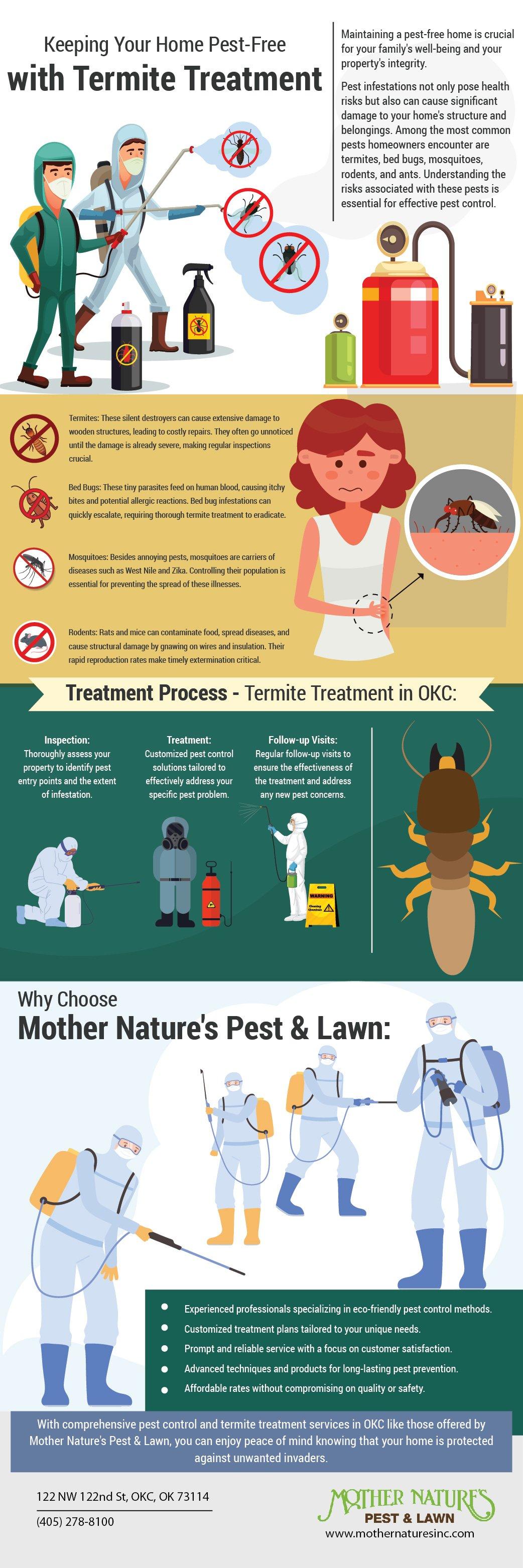
Sealing potential entry points can prevent pests from gaining access to the property. This can include:
- Caulking gaps
- Screening windows and doors
- Maintenance of the foundation and structural integrity
Environmental and Lifestyle Adjustments
Altering the surrounding environment and daily habits can significantly reduce the attractiveness of the area to pests. Advising property owners on landscaping, water drainage, and the proper maintenance of outdoor materials is part of a comprehensive IPM plan.
- Landscaping and branch management
- Elimination of breeding grounds
- Proper stacking and storage of firewood and lumber
- Soil and mulch management
- Attentive property maintenance
Travel, Hotels, and IPM
Travel and hotel stays are an integral part of modern life, and with them comes the importance of maintaining high standards of cleanliness and pest control. Hotels, in particular, must be vigilant in implementing IPM techniques to ensure the comfort and safety of their guests. Through regular inspections, environmental management, and adherence to IPM principles, travelers can enjoy their journeys and accommodations free from the concern of unwanted pests. As the hospitality industry recognizes the crucial role of effective pest management, it remains a core element in providing exemplary service and safeguarding their reputation.